InFlight Power Powering Aviation's Connected Future

InFlight Power

Powering Aviation's Connected Future

Latest Articles

Voltage Wars at 35,000 Feet: How Premium Galley Technology Is Overwhelming Aircraft Power Architecture
Technology & Infrastructure

Voltage Wars at 35,000 Feet: How Premium Galley Technology Is Overwhelming Aircraft Power Architecture

The relentless pursuit of premium cabin dining experiences is quietly pushing aircraft electrical systems to their limits. High-draw espresso machines, induction heating units, and advanced refrigeration are colliding with legacy power architectures never designed to accommodate them. Engineers and airline operators are now confronting a structural problem that no amount of incremental patching can fully resolve.

Deferral Is Not Free: The Compounding Liabilities Airlines Accumulate by Postponing Cabin Power Modernization
Technology & Infrastructure

Deferral Is Not Free: The Compounding Liabilities Airlines Accumulate by Postponing Cabin Power Modernization

Finance teams that treat cabin power upgrades as deferrable line items are operating on a flawed assumption — that delay is a neutral act. A rigorous examination of maintenance economics, passenger attrition data, and competitive retrofit timelines reveals that postponement generates its own category of compounding cost, one that grows larger with every quarter of inaction.

Blueprint for the Connected Cabin: Why Power Infrastructure Decisions Made on the Ground Define Performance at Altitude
Technology & Infrastructure

Blueprint for the Connected Cabin: Why Power Infrastructure Decisions Made on the Ground Define Performance at Altitude

Forward-thinking US carriers are learning a costly lesson: retrofitting power systems onto aging aircraft mid-lifecycle can dwarf the investment of designing for connectivity from day one. As MRO providers, OEMs, and electrical engineers increasingly collaborate during the earliest planning phases, a new design philosophy is taking hold across American aviation. This analysis examines the technical tradeoffs, regulatory complexities, and long-term financial logic of building power architecture f

Plugged In, Checked Out: The Quantifiable Revenue Damage of Unreliable In-Seat Power
Connectivity & Passenger Experience

Plugged In, Checked Out: The Quantifiable Revenue Damage of Unreliable In-Seat Power

A dead outlet at 35,000 feet is rarely logged as a revenue event — but the data suggests it should be. Airlines that have begun tracking in-seat power failures against ancillary spend and satisfaction metrics are uncovering a surprisingly direct financial relationship. The case for treating power system reliability as a core revenue function, not merely a maintenance checkbox, has never been stronger.

Small Aircraft, Big Gaps: The Engineering Challenge of Bringing Power and Connectivity to America's Regional Jet Fleet
Technology & Infrastructure

Small Aircraft, Big Gaps: The Engineering Challenge of Bringing Power and Connectivity to America's Regional Jet Fleet

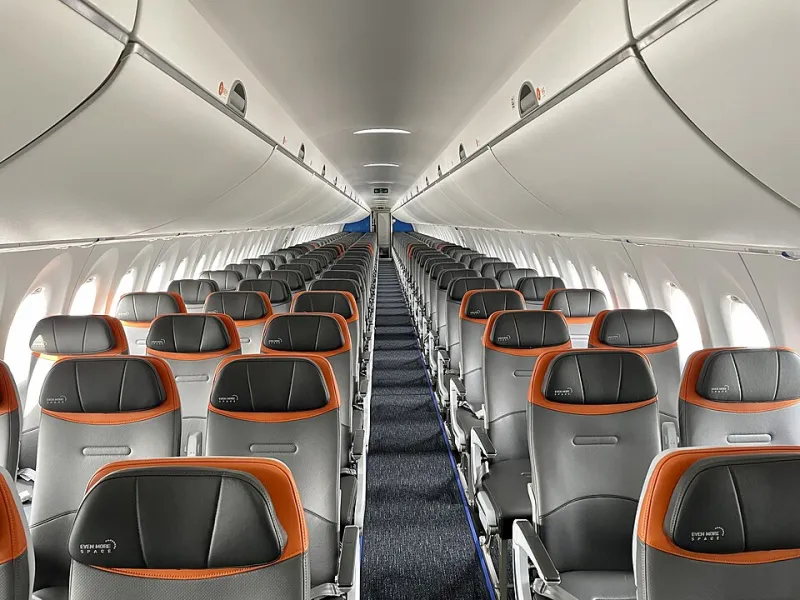
Tens of millions of US passengers board regional jets each year, yet these aircraft remain the most underserved segment of the connected cabin revolution. Tight fuselage dimensions, weight-sensitive airframes, and compressed operating economics have kept regional carriers at the back of the technology queue — but purpose-built hardware and low-earth-orbit satellite networks are beginning to change that calculation.

Connected Cabin, Heavier Aircraft: How Airlines and Engineers Are Quantifying and Combating the Weight Penalty of In-Flight Technology
Technology & Infrastructure

Connected Cabin, Heavier Aircraft: How Airlines and Engineers Are Quantifying and Combating the Weight Penalty of In-Flight Technology

The cumulative weight of modern in-flight entertainment and connectivity systems is quietly eroding fuel efficiency margins across US airline fleets, a consequence that is only now being systematically measured. Solid-state power controllers, power-over-ethernet architectures, and advanced lightweight cabling materials are emerging as the primary tools for pushing back against payload creep. This analysis examines the trade-offs that airline operations executives and avionics engineers must navi

Seat Power as a Loyalty Weapon: The Race to Retrofit US Fleets With Next-Generation Charging Before the Window Closes
Connectivity & Passenger Experience

Seat Power as a Loyalty Weapon: The Race to Retrofit US Fleets With Next-Generation Charging Before the Window Closes

US carriers are accelerating seat-level power upgrades—USB-C ports, wireless charging pads, and higher-wattage outlets—as passenger device loads increasingly overwhelm legacy aircraft infrastructure. Engineering constraints, FAA certification timelines, and competitive dynamics are converging to make 2025 a pivotal year for cabin power investment. MRO providers and cabin systems integrators offer a candid assessment of what airlines can realistically accomplish before the 2026 deadline many have

Rewiring the Sky: How Modern Aircraft Electrical Systems Are Being Rebuilt to Power the Connected Cabin
Technology & Infrastructure

Rewiring the Sky: How Modern Aircraft Electrical Systems Are Being Rebuilt to Power the Connected Cabin

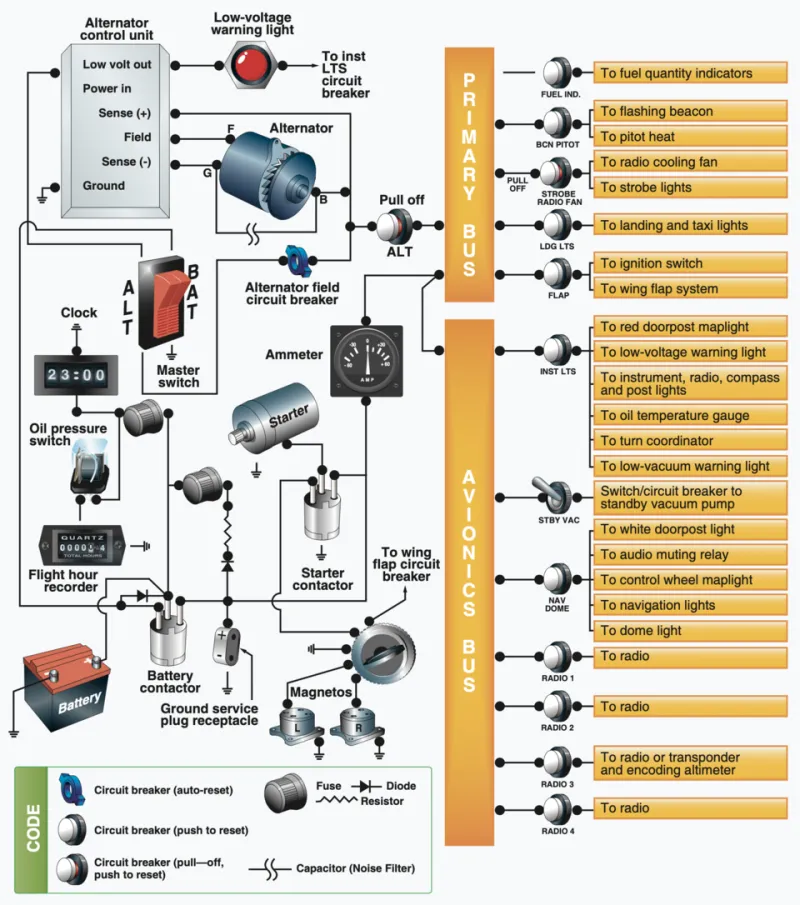
The surge in passenger demand for high-speed Wi-Fi, wireless charging, and 4K seatback entertainment is pushing traditional onboard electrical architectures to their limits. US carriers and aircraft OEMs are now investing heavily in next-generation power distribution systems to meet these expectations. This deep dive examines how the electrical backbone of commercial aircraft is being fundamentally reimagined.

No Signal, No Sale: Five Reasons In-Flight Wi-Fi Has Become the Top Priority for US Business Travelers
Connectivity & Passenger Experience

No Signal, No Sale: Five Reasons In-Flight Wi-Fi Has Become the Top Priority for US Business Travelers

Survey after survey confirms the same finding: for US corporate travelers, reliable in-flight internet access now ranks above meal quality, seat comfort, and even price when selecting an airline. This article breaks down the five core drivers behind that shift and examines how airlines are investing in the power and technology infrastructure needed to deliver consistent, high-speed connectivity at altitude.