Obsolete by Design: The Mounting Passenger Experience Penalty of USB-A-Only Aircraft Cabins
Walk through any US airport terminal today and the evidence is unmistakable. Travelers clutch braided USB-C cables attached to compact GaN chargers. MacBooks, Samsung Galaxy devices, iPad Pros, and the latest generation of noise-canceling headphones all draw power through the same small, reversible connector. The USB-C ecosystem, accelerated by the European Union's universal charger mandate and Apple's own 2023 transition away from Lightning, has effectively unified the consumer electronics charging landscape in a way that industry observers had anticipated for years.
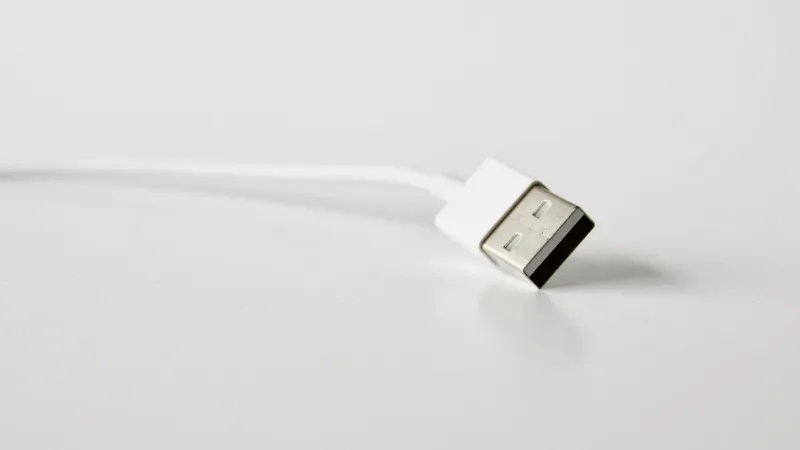
Then those same travelers board their aircraft and find a row of USB-A ports.
For a growing segment of US airline passengers — particularly frequent business travelers who have fully migrated their device portfolios to USB-C — the mismatch is more than an annoyance. It is a signal, however unintentional, that the airline has not kept pace with the technology its customers carry every day. And increasingly, that signal is being registered in the metrics that matter most to carriers: post-flight satisfaction surveys, loyalty program sentiment data, and the ancillary revenue figures that depend on passengers remaining engaged with in-flight entertainment and connectivity platforms throughout the journey.
The Scope of the Problem Across US Fleets
Estimating the precise proportion of US mainline and regional aircraft equipped exclusively with USB-A seat power is complicated by the fragmented nature of fleet retrofit programs and the varying configurations that exist even within a single carrier's narrowbody or widebody fleets. However, industry procurement data and aircraft interior certification records suggest that a substantial majority of in-service US commercial aircraft — many delivered or last refurbished between 2015 and 2021 — were equipped with USB-A as the primary or sole charging interface at the seat.
The timeline matters. USB-C's dominance in the consumer market accelerated sharply after 2020, meaning aircraft that entered service or completed interior refits in the years immediately prior were certified with hardware that was already approaching obsolescence at the moment of installation. Seat manufacturers and IFE integrators working to certification schedules that extend 18 to 36 months from design freeze to aircraft delivery were, in effect, locked into a standard that the broader electronics industry was simultaneously moving away from.
The result is a fleet-wide mismatch that will take years and significant capital to fully resolve — and that is actively degrading the passenger experience in the interim.
Why Certification Timelines Slow the Transition
The aviation industry's regulatory framework does not move at the pace of consumer electronics product cycles, nor should it. The Federal Aviation Administration's certification requirements for cabin electrical components — including seat-integrated charging ports — exist to ensure that in-flight power systems do not introduce ignition risks, electromagnetic interference, or load conditions that compromise aircraft safety. Those requirements are non-negotiable.
But they do create structural lag. A USB-C port with Power Delivery capability is not simply a physical connector swap. USB Power Delivery protocols can negotiate charging rates up to 100 watts or higher under the USB PD 3.1 specification, which introduces load management considerations that differ meaningfully from the relatively modest 5-volt, 900-milliamp output of a standard USB-A port. Certifying the combination of a new port standard, an updated power delivery controller, and the wiring harness modifications required to support higher sustained current draws within an existing seat architecture requires dedicated engineering resources, DO-160 environmental qualification testing, and FAA approval — a process that typically consumes 12 to 24 months even under favorable conditions.
For airlines operating mid-life aircraft with five to ten years of remaining service life, that certification timeline intersects awkwardly with the economics of interior investment. Committing to a full USB-C retrofit on a narrowbody that will be retired in eight years requires a capital justification that not every network planning team is prepared to make, particularly when the existing USB-A infrastructure is, technically speaking, still functional.
The Satisfaction Score Correlation
The argument for accelerating the transition becomes considerably more compelling when passenger experience data is examined closely. Independent aviation research firms and airline internal analytics teams have begun tracking port compatibility as a discrete variable within broader seat power satisfaction frameworks, and the findings are directionally consistent: passengers who cannot charge their primary device — because they lack an adapter and the aircraft provides no USB-C option — report materially lower in-flight satisfaction scores than those who can, regardless of other cabin quality factors.
The effect is amplified in premium economy and domestic first class cabins, where passengers have higher baseline expectations and where the contrast between the seat product's positioning and the charging infrastructure's limitations is most jarring. A traveler paying a premium fare who cannot charge a MacBook Pro from the seat without a dongle they did not think to pack is not experiencing a minor inconvenience. They are experiencing a product failure — and they are likely to say so in the post-flight survey.
Beyond satisfaction scores, there is a subtler revenue implication. Passengers who cannot keep their devices charged are less likely to remain engaged with streaming IFE content, less likely to complete in-flight retail transactions, and less likely to use airline-branded applications that generate ancillary data and loyalty touchpoints. The seat power port is, in this context, not merely a convenience amenity — it is infrastructure that supports the commercial ecosystem of the connected cabin.
Which US Carriers Are Moving and Which Are Waiting
Among major US network carriers, the approaches to USB-C integration have varied considerably. Several airlines have incorporated USB-C ports — typically in combination with retained USB-A ports during a transitional period — into new aircraft orders and into the specifications for major cabin retrofit programs on high-utilization narrowbodies. This dual-port approach reflects a pragmatic acknowledgment that not all passengers have completed the USB-C transition and that stranding USB-A users during the migration creates its own friction.
Other carriers have deferred the transition, either because their existing retrofit cycles are not yet due or because capital allocation priorities have directed investment toward connectivity bandwidth upgrades, seatback IFE system replacements, or structural cabin modifications that compete for the same maintenance downtime windows. For these airlines, USB-C integration remains a future-state commitment without a defined implementation timeline.
Regional operators face the steepest barriers. The economics of equipping 50- and 76-seat regional jets with certified USB-C infrastructure are challenging under any scenario, and the seat manufacturers serving the regional market have been slower to develop certified USB-C solutions for smaller-format aircraft architectures.
The Cost of Waiting
The financial case for accelerating USB-C adoption is not difficult to construct. Retrofit costs for adding USB-C capability to existing seat rows vary by aircraft type, seat configuration, and the degree of wiring modification required, but industry estimates for a narrowbody cabin typically fall in a range that, when amortized across the remaining service life of the aircraft and measured against the satisfaction and revenue impacts of continued USB-A-only operation, presents a favorable return profile for high-utilization routes.
More importantly, the cost of waiting compounds. Each year that a carrier delays the transition is another year in which the proportion of passengers carrying exclusively USB-C devices increases — and another year in which competitors who have completed the upgrade can credibly position their cabin product as more current. In a market where the differences between competing domestic products have narrowed considerably, cabin technology details carry disproportionate weight in traveler preference decisions.
The USB-A port was, at its moment of widespread aviation adoption, a reasonable solution to a real passenger need. That moment has passed. The question now facing US airline procurement and engineering teams is not whether to make the transition, but how quickly they can complete it before the gap between their cabin and their customers' expectations becomes a competitive liability they cannot ignore.