240 Watts at Seat 32B: The Electrical Architecture Behind USB-C’s Next Leap
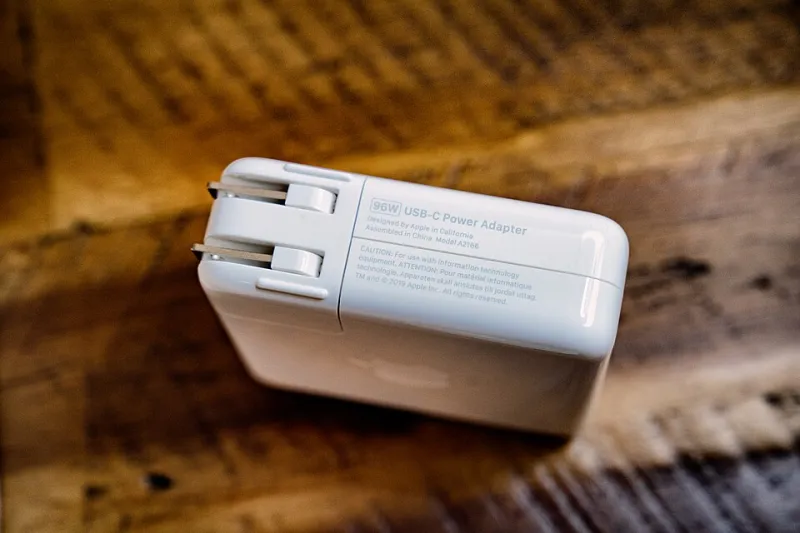
Photo: Tony Webster from Minneapolis, Minnesota, United States, CC BY 2.0, via Wikimedia Commons
USB-C Power Delivery has moved quickly from a phone-charging convenience to a credible seat-level power standard. With USB PD 3.1 and the Expanded Power Range, a compliant system can negotiate up to 240 watts over USB-C, enough to charge many laptops, docking stations, and creative tools. For airlines, the marketing appeal is obvious: a single, familiar connector that appears to handle nearly everything a passenger carries onboard.
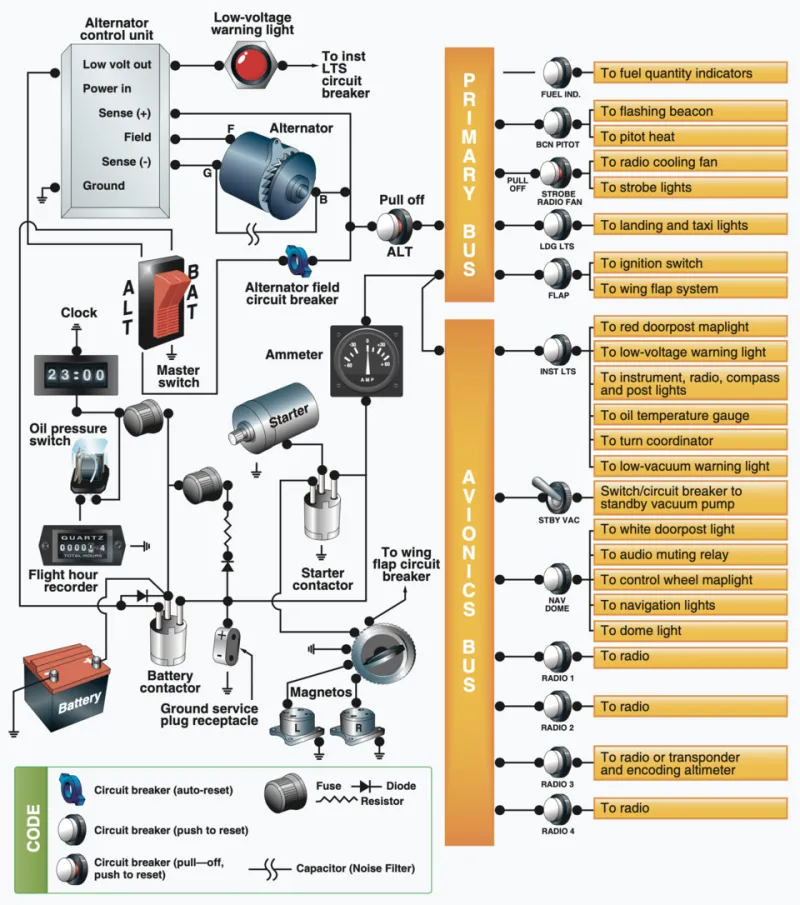
The engineering reality is less tidy. A 240-watt port is not simply a higher-rated receptacle. It is an end-to-end electrical and thermal system that must fit an aircraft power architecture designed around lower and more predictable loads. US cabin retrofits that were specified for 15-watt or 60-watt service may not have the wiring, conversion, cooling, or circuit protection to support the next tier without careful redesign.
What 240 W Actually Requires
USB PD 3.1 reaches 240 watts by raising voltage rather than pushing extreme current through the cable. In the Expanded Power Range, compliant systems can operate at fixed voltages including 28, 36, and 48 volts, with current capped at 5 amps. The cable must be electronically marked and rated for the higher power level, and the charger, port controller, and power supply must all support the negotiation.
At the seat, that means the power path is more complex than a USB-A outlet. The aircraft-side supply may deliver 115 V AC or 28 V DC, depending on the cabin architecture. A local converter then produces the negotiated USB-C voltage. Each conversion step introduces losses, heat, and fault behavior that must be managed within the seat monument and surrounding cabinetry.
Airlines should resist the temptation to describe a 240-watt port as a 240-watt circuit. Passenger loads are diverse, but they are not continuous at maximum output. A cabin load analysis should use realistic diversity factors, not the sum of nameplate ratings, while still preserving enough headroom for simultaneous high-draw devices in dense seating areas.
Thermal and Wiring Realities
Higher power at the port creates thermal questions at the connector, in the cable, and behind the seat. A 48-volt, 5-amp connection concentrates heat in a small interface. If the receptacle is installed in a confined armrest or seatback, poor ventilation can shorten component life and create passenger-facing reliability problems.
Wiring is equally important. Higher current requires appropriate conductor gauge, derating, and separation from sensitive systems. Bundles that were acceptable for low-power USB outlets may not meet the voltage-drop and thermal margins required for 240-watt service. In retrofit programs, the cost often appears not at the port but in the harness, power supply, and seat rework behind it.
Flammability and wiring standards also remain part of the certification conversation. US installations must account for applicable Federal Aviation Administration requirements, including electrical wiring interconnection system practices and cabin material flammability. A supplier's USB-C port certification alone does not establish that the installed seat system is compliant.
Breaker Coordination and Load Management
Circuit protection is where many retrofit assumptions break down. A higher-wattage port can draw significant inrush current and can fault in ways that upstream breakers were not coordinated to isolate. The goal is selective tripping: a fault at one seat should not darken a row or cascade into a larger cabin circuit.
Load management firmware can help by budgeting power per port, per seat group, and per cabin zone. But software limits must be documented, testable, and consistent with the breaker and wiring design. If the system advertises 240 watts but silently throttles to 60 watts when multiple seats are active, passengers and airlines should know that before purchase.
Certification and Retrofit Constraints
Adding higher-power USB-C service to an existing cabin is rarely a plug-and-play change. It can trigger an electrical load analysis, environmental qualification testing, and updates to supplemental type certificate or parts approval documentation. Suppliers should be able to show test data for thermal performance, fault behavior, and electromagnetic compatibility in representative installations.
Airlines should also ask how the system behaves during abnormal conditions. What happens if a passenger connects a damaged cable? How does the port respond to a short circuit? Can the crew isolate a failed seat without affecting adjacent passengers? These questions matter more than a headline wattage number.
What Airlines Should Ask Before Marketing 240 W
Before promising 240 watts at the seat, carriers should require end-to-end validation: port, cable, converter, harness, breaker, and thermal design. They should confirm realistic load diversity, publish actual per-port limits, and train crews on reset and isolation procedures. USB-C PD 3.1 is a genuine step forward for passenger power, but it is also a reminder that aircraft electrical architecture, not the connector alone, determines what the cabin can safely deliver.